Hospital-Based vs Standalone Detox Center: Side-by-Side Comparison (2026)

An evidence-based comparison to help you choose the right treatment approach. Data sourced from SAMHSA, NIDA, and published research.

RF
RehabFlow Editorial Team Updated: Apr 9, 2026

Quick Verdict

You have severe medical complications, polysubstance dependence, cardiac/seizure history, psychiatric emergencies.

You have uncomplicated withdrawal, addiction-focused environment, smoother transition to rehab, cost-conscious.

Not sure? Call (833) 567-5838 for a free clinical assessment.

Head-to-Head Comparison

Medical Capability
Hospital-Based Detox
Full hospital resources (ICU, surgery)
Standalone Detox Center
Addiction medicine physicians, nurses
Average Cost
Hospital-Based Detox
$1,500-3,500/day
Standalone Detox Center
$500-1,500/day
Typical Stay
Hospital-Based Detox
3-5 days
Standalone Detox Center
5-10 days
Environment
Hospital-Based Detox
Medical/clinical (hospital ward)
Standalone Detox Center
Residential/treatment-oriented
Psychiatric Support
Hospital-Based Detox
Psychiatrist on-call 24/7
Standalone Detox Center
Addiction psychiatrist on staff
Seizure Management
Hospital-Based Detox
Full emergency response capability
Standalone Detox Center
Medical protocols, may transfer if severe
Transition to Rehab
Hospital-Based Detox
Discharge planning, external referrals
Standalone Detox Center
Often integrated with residential program
Addiction Counseling
Hospital-Based Detox
Minimal (medical focus)
Standalone Detox Center
Begins during detox
Insurance Coverage
Hospital-Based Detox
Covered under medical benefits
Standalone Detox Center
Covered under behavioral health
Peer Support
Hospital-Based Detox
Limited (mixed medical patients)
Standalone Detox Center
Strong (all patients in recovery)

Hospital-Based vs Standalone Detox for Addiction

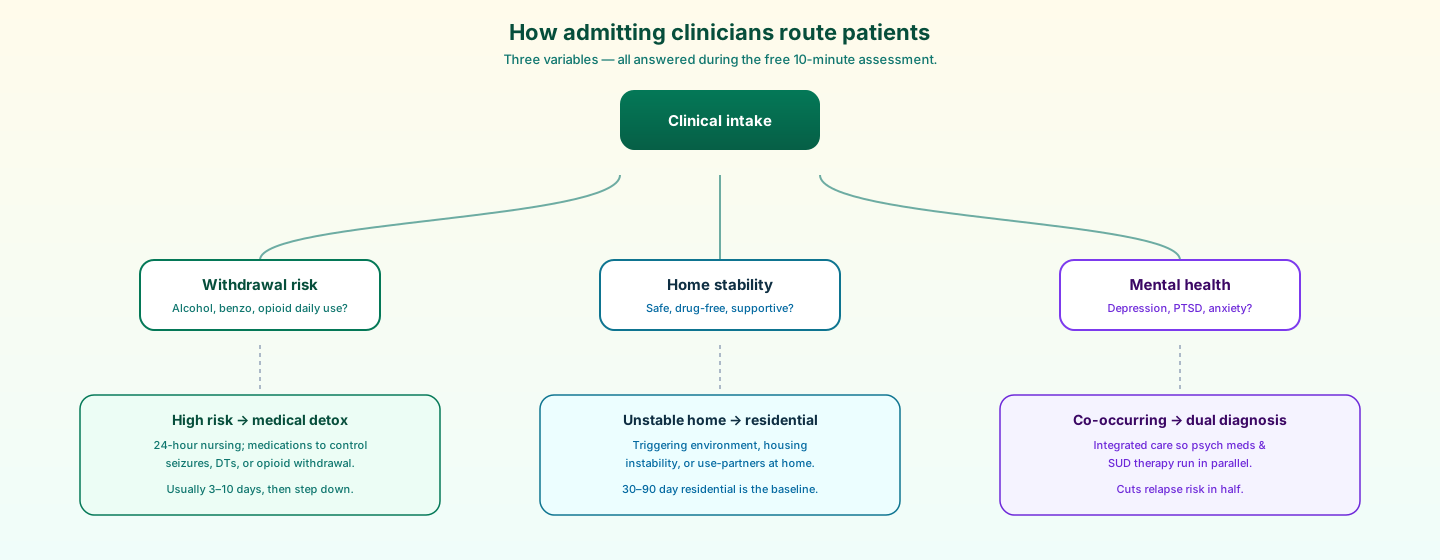
Medical detoxification is the critical first step for substances with dangerous withdrawal syndromes, including alcohol, benzodiazepines, and opioids. The choice between hospital-based and standalone detox centers depends primarily on the medical complexity of your situation and the desired transition pathway to continued treatment.

When Hospital Detox is Necessary

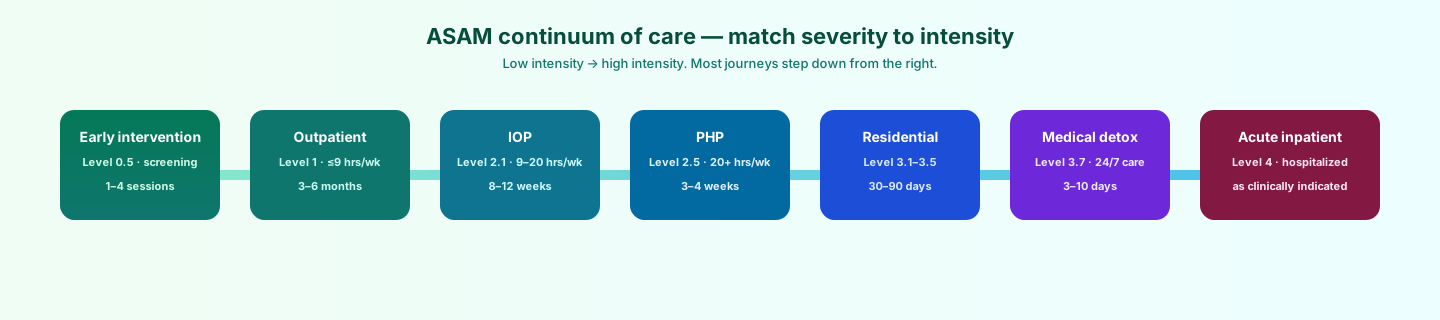
Hospital detox is essential for patients with serious medical co-morbidities (heart disease, liver failure, respiratory conditions), a history of withdrawal seizures or delirium tremens, polysubstance dependence involving multiple high-risk substances, or active psychiatric emergencies. The hospital setting provides access to ICU-level care if complications arise. ASAM guidelines recommend hospital-level care (Level 4) for these high-acuity situations.

Advantages of Standalone Detox Centers

For patients without severe medical complications, standalone detox centers offer a more therapeutic environment focused entirely on addiction. Treatment begins during detox rather than after discharge, and the transition to residential treatment is often seamless — many are co-located with rehab programs. Call (833) 567-5838 to determine which detox level is appropriate for your situation.

Not Sure Which Is Right for You?

Our treatment specialists can assess your situation and recommend the right level of care. Free, confidential, 24/7.

(833) 567-5838

Frequently Asked Questions

How do I know if I need hospital-level detox?
You likely need hospital-level detox if you have a history of withdrawal seizures or delirium tremens, are dependent on multiple substances simultaneously, have serious medical conditions (heart disease, liver cirrhosis, respiratory issues), or are experiencing active suicidal ideation. A medical assessment or call to a treatment helpline can help determine the appropriate level of care.
Is standalone detox medically safe?
Yes, licensed standalone detox facilities have medical staff including physicians and nurses who monitor patients 24/7 and administer medications to manage withdrawal symptoms safely. They follow established medical protocols for alcohol, opioid, and benzodiazepine withdrawal. However, they may transfer patients to a hospital if unexpected severe complications arise during the detox process.
What happens after detox?
Detox alone is not treatment — it is medical stabilization. NIDA research shows that detox without follow-up treatment has very high relapse rates (over 80%). After detox, patients should transition to residential treatment, IOP, or outpatient therapy. Standalone detox centers typically have better discharge planning for addiction treatment continuity than hospital-based programs.
How long does detox take?
Duration varies by substance: alcohol detox typically takes 5-7 days, opioid detox 5-10 days, benzodiazepine detox 7-14 days (sometimes longer with tapering protocols). Hospital stays tend to be shorter (3-5 days) focused on acute medical stabilization, while standalone centers keep patients longer to ensure stability before transitioning to the next treatment level.
Does insurance cover both types of detox?
Yes, both hospital-based and standalone medical detox are covered by most insurance plans. Hospital detox is billed under medical benefits, while standalone detox is typically billed under behavioral health benefits. Coverage, copays, and deductibles vary by plan. Preauthorization is usually required for both settings. Call your insurer or (833) 567-5838 to verify coverage before admission.

Last updated: April 9, 2026 • Sources: SAMHSA, NIDA, ASAM • RehabFlow Editorial Team

Home Find Centers Treatment Insurance Resources Compare Blog About