Alcohol Rehab vs Drug Rehab: Are They Different?: Side-by-Side Comparison (2026)

An evidence-based comparison to help you choose the right treatment approach. Data sourced from SAMHSA, NIDA, and published research.

RF
RehabFlow Editorial Team Updated: Apr 5, 2026

Quick Verdict

You have alcohol is primary substance, need alcohol-specific detox protocol (seizure prevention), want AA/alcohol-focused peer groups, or liver/GI complications.

You have opioids, stimulants, benzos, or other drugs are primary, need substance-specific MAT, or IV drug use with associated medical needs.

Not sure? Call (833) 567-5838 for a free clinical assessment.

Head-to-Head Comparison

Detox Protocol
Alcohol-Focused Rehab
Benzodiazepines for seizure prevention, thiamine, electrolytes
Drug-Focused Rehab
Substance-specific: buprenorphine (opioids), taper (benzos), supportive (stimulants)
Withdrawal Danger
Alcohol-Focused Rehab
HIGH — seizures, DTs can be fatal
Drug-Focused Rehab
Varies: opioids (painful, rarely fatal), benzos (dangerous), stimulants (psychological)
MAT Options
Alcohol-Focused Rehab
Naltrexone, acamprosate, disulfiram
Drug-Focused Rehab
Suboxone, methadone, Vivitrol (opioids); none FDA-approved for stimulants
Therapy Focus
Alcohol-Focused Rehab
Social triggers, drinking culture, relapse prevention
Drug-Focused Rehab
Varies by substance: cravings, trauma, lifestyle
Support Groups
Alcohol-Focused Rehab
AA (vast network, 2M+ members)
Drug-Focused Rehab
NA, CA (smaller but growing)
Medical Issues
Alcohol-Focused Rehab
Liver disease, pancreatitis, neuropathy, Wernicke
Drug-Focused Rehab
HIV/HCV risk (IV drugs), abscesses, cardiac (stimulants)
Duration
Alcohol-Focused Rehab
28-90 days
Drug-Focused Rehab
28-90 days
Separate Programs?
Alcohol-Focused Rehab
Some alcohol-only facilities exist
Drug-Focused Rehab
Most treat all substances
Dual Use
Alcohol-Focused Rehab
~50% also use other substances
Drug-Focused Rehab
~40% also drink alcohol
Insurance
Alcohol-Focused Rehab
Covered equally
Drug-Focused Rehab
Covered equally

Key Differences Explained

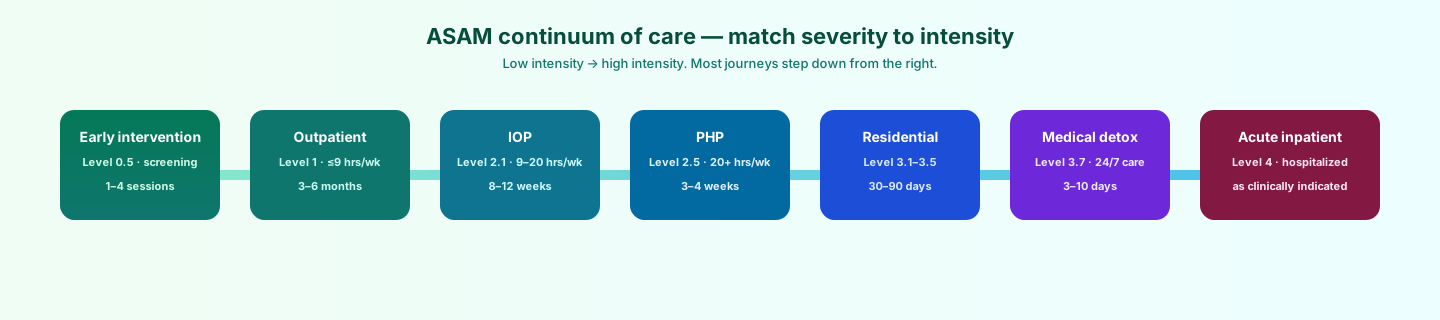
The short answer: most modern rehab programs treat all substances. The long answer: alcohol and various drugs do require different medical protocols, medications, and therapeutic emphases — and understanding these differences matters.

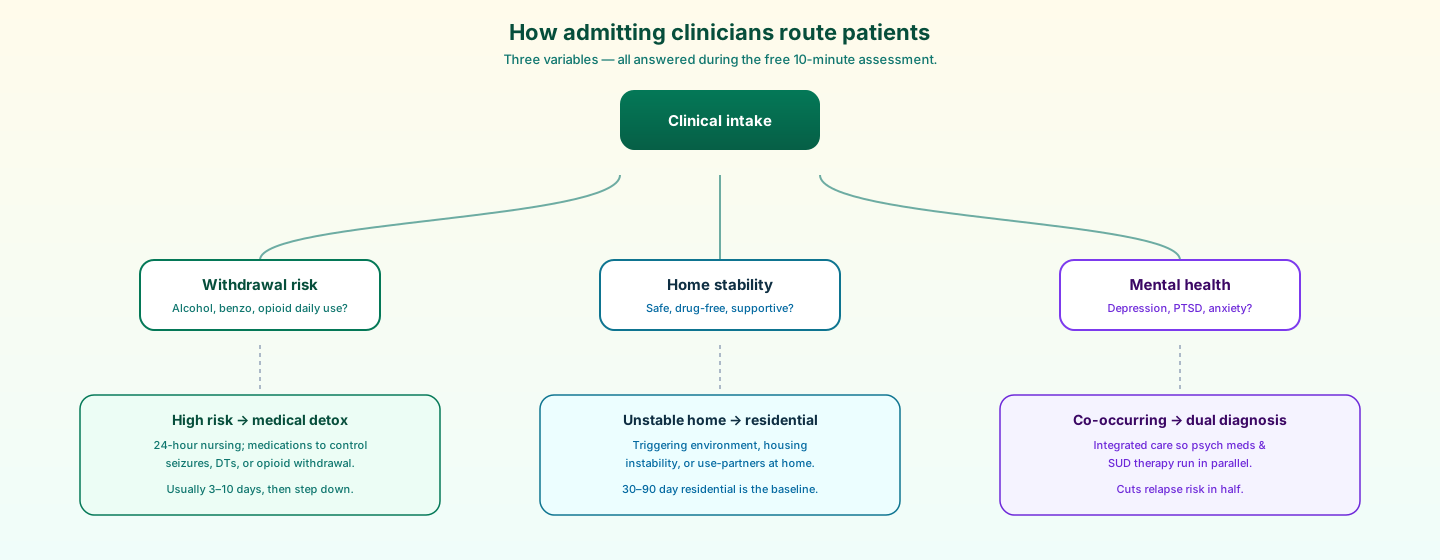
Alcohol-specific considerations: Alcohol withdrawal is uniquely dangerous — seizures and delirium tremens can be fatal. Medical detox uses benzodiazepine protocols that differ from opioid detox. Alcohol-specific MAT options (naltrexone, acamprosate, disulfiram) target different mechanisms than opioid medications. Therapeutically, alcohol addiction often involves normalizing social triggers (drinking culture, workplace happy hours) that are unique to this substance.

Drug-specific considerations: Opioid treatment centers on MAT as the evidence-based backbone. Stimulant treatment emphasizes contingency management and CBT since no medications are FDA-approved. Benzodiazepine detox requires extremely gradual tapers. IV drug users need hepatitis C/HIV screening and wound care.

Polysubstance Reality

In practice, ~50% of patients use multiple substances. Someone entering for opioid addiction often also drinks heavily. This is why most quality programs treat all substances comprehensively rather than specializing. When choosing a program, verify they can handle your specific substance(s) medically — especially if alcohol or benzodiazepine detox is needed.

Not Sure Which Is Right for You?

Our treatment specialists can assess your situation and recommend the right level of care. Free, confidential, 24/7.

(833) 567-5838

Frequently Asked Questions

Should I go to an alcohol-specific or general rehab?
Most people do fine in general rehab that treats all substances. Consider alcohol-specific programs if: alcohol is your ONLY substance, you want AA-immersive culture, or you have alcohol-specific medical complications (cirrhosis, pancreatitis) requiring specialized medical staff. For polysubstance use, general programs are better equipped.
Is alcohol withdrawal really more dangerous than drug withdrawal?
Alcohol and benzodiazepine withdrawal can cause fatal seizures and delirium tremens. Opioid withdrawal is extremely uncomfortable but rarely directly fatal (though dehydration and aspiration complications can be dangerous). Stimulant withdrawal is primarily psychological. All withdrawals benefit from medical supervision, but alcohol/benzos REQUIRE it.
Can I use Suboxone for alcohol addiction?
No — Suboxone (buprenorphine) is only approved for opioid use disorder. For alcohol, the FDA-approved medications are: naltrexone/Vivitrol (reduces cravings), acamprosate (reduces post-withdrawal discomfort), and disulfiram (causes illness if you drink). Your physician will recommend the best option based on your situation.
Do AA and NA mix in rehab group sessions?
In most rehab programs, group therapy sessions include patients with various substance use disorders. The shared experience of addiction, recovery skills, and relapse prevention transcend specific substances. However, most programs also offer substance-specific groups and encourage attendance at the appropriate 12-step fellowship (AA for alcohol, NA for drugs).
What if I use both alcohol and drugs?
Polysubstance use is common and treatable. Your treatment plan addresses all substances simultaneously. Detox protocols can manage multiple withdrawals (e.g., alcohol + benzodiazepine taper). MAT can target the primary substance while therapy addresses all use patterns. Be completely honest about all substances during assessment — it's essential for safe treatment.

Last updated: April 5, 2026 • Sources: SAMHSA, NIDA, ASAM • RehabFlow Editorial Team

Home Find Centers Treatment Insurance Resources Compare Blog About