Medical Detox vs Residential Rehab: Side-by-Side Comparison (2026)

An evidence-based comparison to help you choose the right treatment approach. Data sourced from SAMHSA, NIDA, and published research.

RF
RehabFlow Editorial Team Updated: Apr 5, 2026

Quick Verdict

Choose Medical Detox if:

You have you need safe withdrawal management, have physical dependence, or as a first step before residential.

You have you need comprehensive treatment for the addiction itself, including therapy, skills, and relapse prevention.

Not sure? Call (833) 567-5838 for a free clinical assessment.

Head-to-Head Comparison

Purpose
Medical Detox
Safe withdrawal management
Residential Rehab
Comprehensive addiction treatment
Duration
Medical Detox
3-10 days
Residential Rehab
30-90 days
Focus
Medical Detox
Physical stabilization
Residential Rehab
Therapy, skills, recovery
Medical Level
Medical Detox
24/7 medical monitoring
Residential Rehab
Medical support + therapy
Cost
Medical Detox
$3,000-$10,000
Residential Rehab
$15,000-$30,000+
Medications
Medical Detox
Comfort meds, tapering agents
Residential Rehab
MAT + psychiatric meds
Therapy
Medical Detox
Minimal (stabilization focus)
Residential Rehab
Full therapy program
Standalone?
Medical Detox
NO — must continue to treatment
Residential Rehab
Yes (includes detox if needed)
Insurance
Medical Detox
Usually covered 100%
Residential Rehab
Covered with possible copay
After Completion
Medical Detox
Transfer to residential/IOP
Residential Rehab
Step down to IOP/outpatient

Detox Is Not Treatment

This is the most important thing to understand: medical detox is NOT addiction treatment. Detox manages the physical danger of withdrawal. Residential rehab treats the addiction itself. They serve different purposes and detox alone has near-zero long-term success rates.

Think of it like surgery vs physical therapy. Detox is the emergency surgery — it saves your life. Residential is the rehab that helps you actually recover and function. You need both.

When Detox Is Necessary

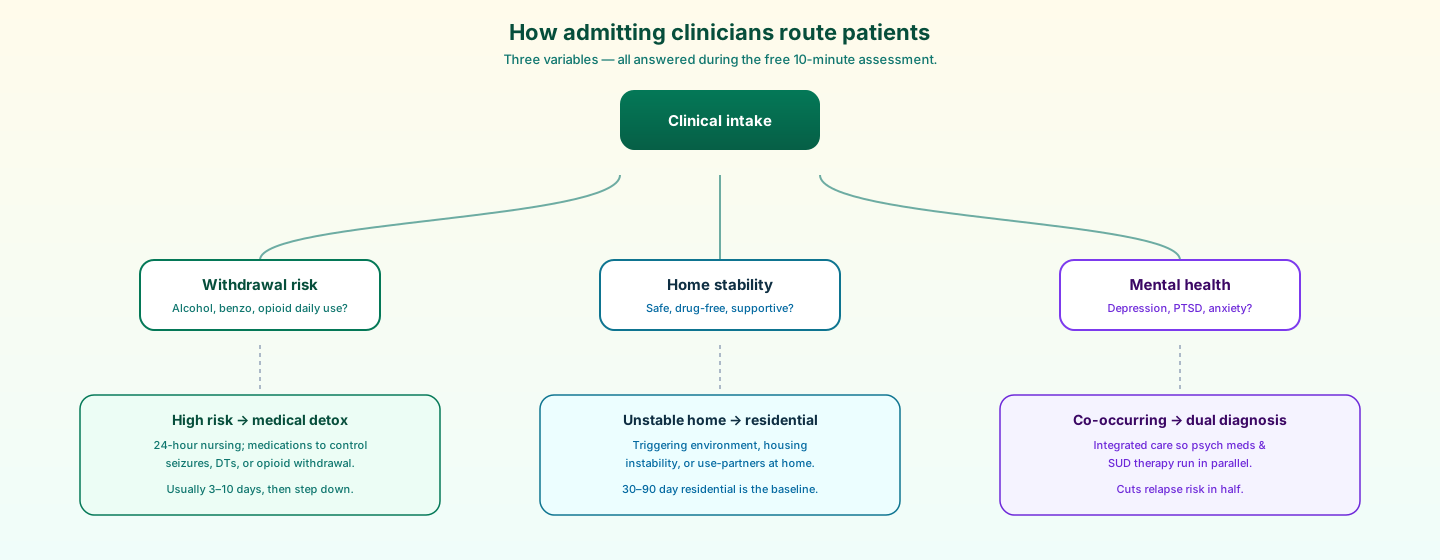
Medical detox is critical for substances with dangerous withdrawal syndromes:

  • Alcohol — seizures, delirium tremens (potentially fatal without medical supervision)
  • Benzodiazepines — seizures, psychosis (must taper under medical care)
  • Opioids/Fentanyl — extremely uncomfortable but rarely fatal (medical comfort care)

The Ideal Path

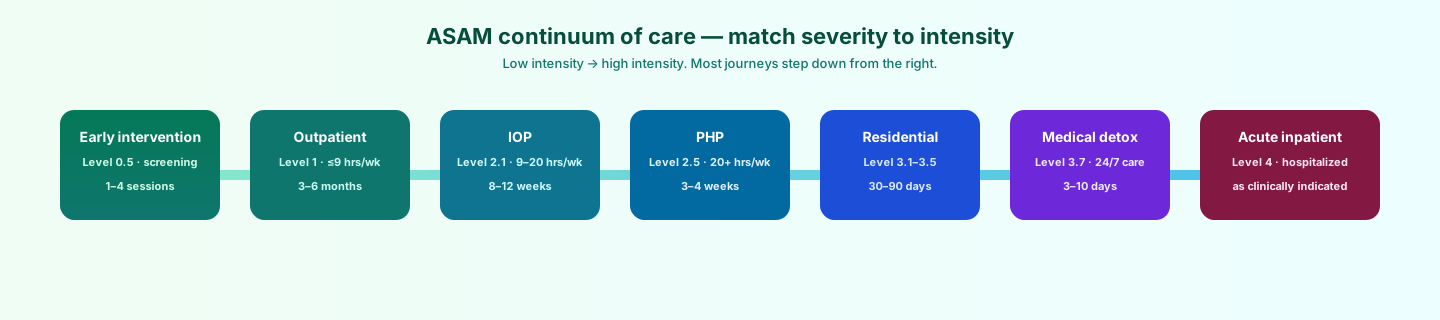
The best approach is a continuum of care: Detox (3-10 days) → Residential (30-90 days) → IOP (2-4 months) → Outpatient. Many facilities offer all levels on one campus, making transitions seamless.

Not Sure Which Is Right for You?

Our treatment specialists can assess your situation and recommend the right level of care. Free, confidential, 24/7.

(833) 567-5838

Frequently Asked Questions

Can I just do detox without rehab?
You can, but outcomes are extremely poor. Studies show detox-only has relapse rates above 90% within the first year. Detox removes the substance from your body but doesn't address why you used it. Think of it as the first step, not a standalone treatment.
Does residential rehab include detox?
Most residential programs include medical detox as the first phase. You don't need to go to a separate detox facility first (though some people do). When you check into residential, they'll manage withdrawal and then transition you into the therapy program.
How dangerous is detox without medical help?
For alcohol and benzodiazepines, unsupervised detox can be fatal. Alcohol withdrawal seizures kill approximately 5% of those who experience delirium tremens without treatment. Opioid withdrawal is extremely uncomfortable but rarely life-threatening. Always seek medical detox for alcohol and benzo dependence.
Does insurance cover both detox and residential?
Yes. Under the Mental Health Parity Act, insurance must cover both. Detox is typically covered at 100% as an emergency/acute service. Residential coverage varies — usually 30 days standard, with extensions requiring medical necessity documentation.
How long between detox and starting therapy?
In a good residential program, therapy begins within 24-48 hours of medical stabilization — you don't wait until detox is "complete." Early therapy engagement during detox improves outcomes. Group sessions, psychoeducation, and peer support start almost immediately.

Last updated: April 5, 2026 • Sources: SAMHSA, NIDA, ASAM • RehabFlow Editorial Team

Home Find Centers Treatment Insurance Resources Compare Blog About