Individual vs Group Therapy in Addiction: Side-by-Side Comparison (2026)

An evidence-based comparison to help you choose the right treatment approach. Data sourced from SAMHSA, NIDA, and published research.

RF
RehabFlow Editorial Team Updated: Apr 5, 2026

Quick Verdict

You have trauma history, co-occurring disorders, privacy concerns, complex psychiatric needs.

Choose Group Therapy if:

You have social skill building, isolation recovery, peer support, cost-conscious treatment.

Not sure? Call (833) 567-5838 for a free clinical assessment.

Head-to-Head Comparison

Session Format
Individual Therapy
1-on-1 with licensed therapist
Group Therapy
5-15 participants with facilitator
Cost Per Session
Individual Therapy
$100-250 per session
Group Therapy
$30-80 per session
Privacy Level
Individual Therapy
Complete confidentiality
Group Therapy
Shared space, group confidentiality agreements
Personalization
Individual Therapy
Fully tailored treatment plan
Group Therapy
Standardized curriculum, shared topics
Peer Support
Individual Therapy
None (therapist only)
Group Therapy
Strong peer learning and accountability
Typical Frequency
Individual Therapy
1-2 sessions per week
Group Therapy
3-5 sessions per week
Best For Trauma
Individual Therapy
Excellent (safe space for EMDR, CPT)
Group Therapy
Moderate (trauma-specific groups exist)
Social Skills Development
Individual Therapy
Limited (no group dynamics)
Group Therapy
Excellent (real-time practice)
Evidence Base
Individual Therapy
Strong for CBT, EMDR, MI individually
Group Therapy
Strong for substance use (SAMHSA recommended)
Insurance Coverage
Individual Therapy
Typically 20-30 sessions/year
Group Therapy
More sessions covered, lower copays

Individual vs Group Therapy for Addiction Treatment

The choice between individual and group therapy is one of the most common decisions in addiction treatment planning. Research consistently shows that both modalities are effective, and most comprehensive programs combine them. SAMHSA recommends group therapy as a primary treatment modality for substance use disorders, while individual therapy addresses the personal psychological factors driving addiction.

The Research on Effectiveness

A Cochrane review found no significant difference in overall outcomes between individual and group CBT for substance use disorders. However, individual therapy showed advantages for patients with co-occurring mental health disorders, particularly PTSD and severe depression. Group therapy showed superior outcomes for building social support networks and reducing isolation — a major relapse risk factor.

Combining Both Approaches

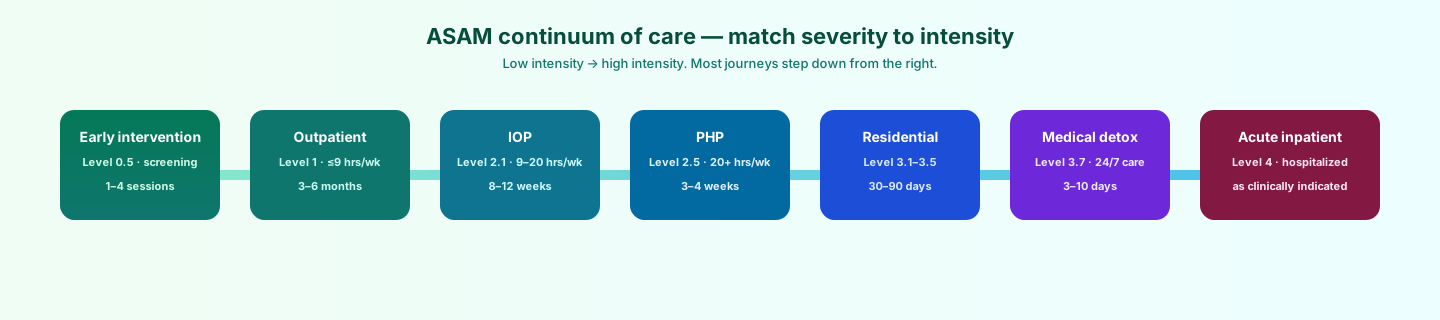
Most evidence-based treatment programs, including IOP programs, incorporate both formats. A typical week might include 2-3 group sessions and 1 individual session. This combination leverages the personalization of individual work with the peer connection of group settings. For help finding a program that offers both, call (833) 567-5838 to speak with a treatment specialist.

Not Sure Which Is Right for You?

Our treatment specialists can assess your situation and recommend the right level of care. Free, confidential, 24/7.

(833) 567-5838

Frequently Asked Questions

Is group therapy as effective as individual therapy for addiction?
Research shows comparable overall effectiveness for substance use disorders. A 2019 meta-analysis found group CBT achieved similar abstinence rates to individual CBT at 12-month follow-up. Group therapy offers unique benefits like peer modeling and social learning that individual therapy cannot replicate. Most experts recommend combining both for optimal outcomes.
What if I am too anxious to speak in a group?
Social anxiety in groups is extremely common and actually therapeutic to work through. Most facilitators do not force participation — you can observe initially. Many patients report that hearing others share similar struggles reduces their anxiety naturally. Starting with smaller groups (5-8 people) can ease the transition before joining larger process groups.
How do I know which type I need?
If you have significant trauma, complex psychiatric conditions, or severe social anxiety, starting with individual therapy makes sense. If isolation and lack of social connection are major factors in your substance use, group therapy may be more beneficial. A thorough clinical assessment will help determine the right mix. Most people benefit from both.
Are group therapy discussions kept confidential?
All participants sign confidentiality agreements, and federal regulations (42 CFR Part 2) protect substance use treatment records. However, unlike individual therapy, you cannot guarantee that every group member will maintain confidentiality outside sessions. Reputable programs enforce strict confidentiality rules and address any breaches immediately.
Can I do only individual therapy and skip group?
While possible, this is generally not recommended for addiction treatment. NIDA research emphasizes that addiction is partly a social disease — isolation fuels relapse. Group therapy provides accountability, normalizes the recovery experience, and builds sober social networks. Even if individual therapy is your primary modality, adding at least one group per week improves outcomes.

Last updated: April 5, 2026 • Sources: SAMHSA, NIDA, ASAM • RehabFlow Editorial Team

Home Find Centers Treatment Insurance Resources Compare Blog About