Same-Day Admission vs Waitlist Programs: Side-by-Side Comparison (2026)

An evidence-based comparison to help you choose the right treatment approach. Data sourced from SAMHSA, NIDA, and published research.

RF
RehabFlow Editorial Team Updated: Apr 5, 2026

Quick Verdict

You have crisis situation, overdose risk, motivation window, immediate safety concern.

You have specific program preference, insurance pre-approval needed, non-urgent situation.

Not sure? Call (833) 567-5838 for a free clinical assessment.

Head-to-Head Comparison

Wait Time
Same-Day Admission
0-24 hours
Waitlist Programs
3-30+ days
Insurance Verification
Same-Day Admission
Expedited (phone verification)
Waitlist Programs
Thorough pre-authorization
Program Choice
Same-Day Admission
Limited to available beds
Waitlist Programs
Choose preferred program
Dropout Before Admission
Same-Day Admission
Minimal (immediate entry)
Waitlist Programs
High (50%+ never show up)
Clinical Assessment
Same-Day Admission
Abbreviated initial, full later
Waitlist Programs
Comprehensive pre-admission
Cost
Same-Day Admission
May be higher (premium for immediacy)
Waitlist Programs
Standard program pricing
Facility Type
Same-Day Admission
Crisis centers, some private rehabs
Waitlist Programs
Most public and private programs
Overdose Risk During Wait
Same-Day Admission
Eliminated
Waitlist Programs
Significant risk period
SAMHSA Recommendation
Same-Day Admission
Reduce barriers to immediate entry
Waitlist Programs
Provide interim services during wait
Location Flexibility
Same-Day Admission
May need to travel for available bed
Waitlist Programs
Can choose local or preferred location

Same-Day Admission vs Waitlist Programs for Rehab

When someone is ready for addiction treatment, timing is critical. Research published in the Journal of Substance Abuse Treatment found that each day of waiting reduces the likelihood of ever entering treatment. SAMHSA data shows that over 50% of people placed on waitlists never actually begin treatment — they either lose motivation, return to use, or face a medical crisis.

The Case for Immediate Admission

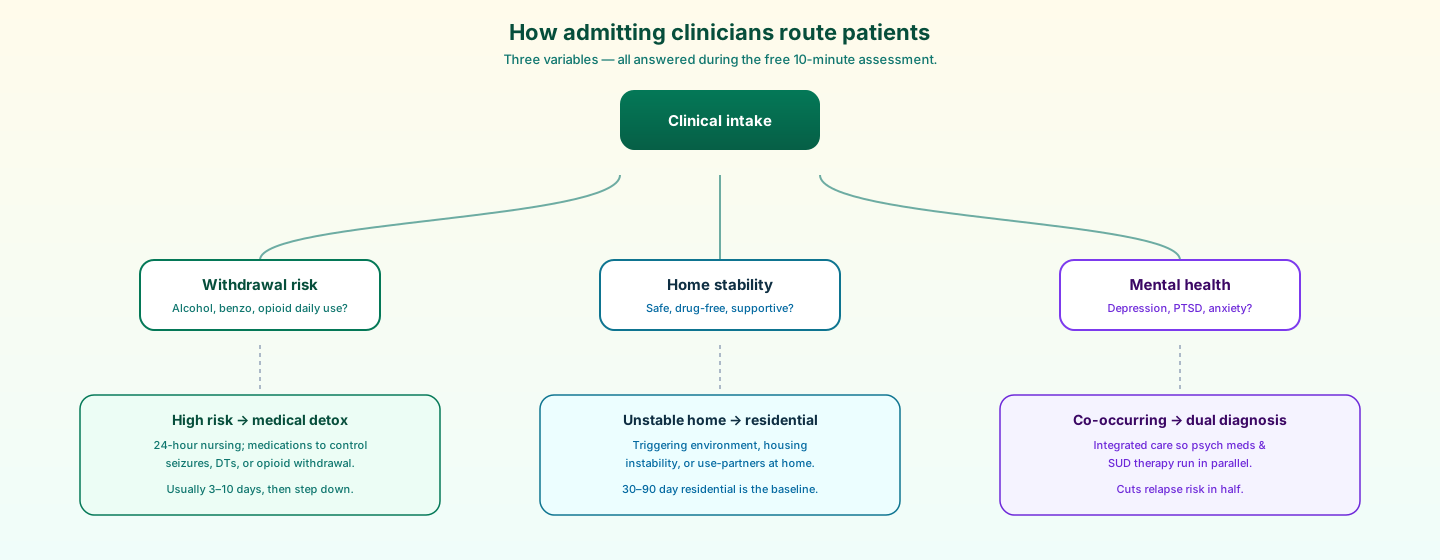
Same-day or next-day admission programs eliminate the dangerous gap between deciding to seek help and actually receiving it. For individuals at risk of opioid overdose or experiencing severe withdrawal, immediate entry can be lifesaving. Many private residential programs and crisis stabilization units offer rapid admission when beds are available.

When Waiting Makes Sense

Waitlists are sometimes unavoidable — particularly for specialized programs, publicly funded treatment, or highly regarded facilities. If you must wait, interim services (outpatient counseling, MAT initiation, support groups) should begin immediately. For programs offering same-day admission, call (833) 567-5838 now — do not wait until motivation fades.

Not Sure Which Is Right for You?

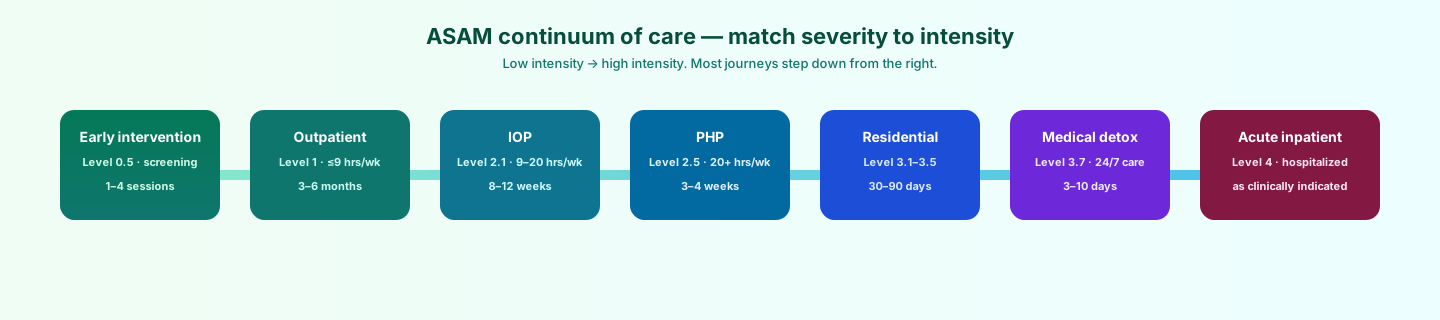
Our treatment specialists can assess your situation and recommend the right level of care. Free, confidential, 24/7.

(833) 567-5838

Frequently Asked Questions

How do same-day admission programs work?
You call the facility or a helpline, complete a phone screening and insurance verification, and can often arrive within hours. Clinical assessment happens on-site upon arrival. Medical detox begins immediately if needed. The process prioritizes removing barriers — paperwork and detailed treatment planning happen after the patient is safe and stabilized within the facility.
What should I do while on a waitlist?
Waiting should not mean doing nothing. Start outpatient counseling immediately, attend support groups (AA, NA, SMART Recovery), consider initiating MAT with a local provider, and develop a safety plan for high-risk situations. SAMHSA recommends that programs provide interim services within 48 hours to patients who cannot be admitted immediately. Ask the waitlisted program about their interim service offerings.
Are same-day programs lower quality?
Not necessarily. Many high-quality private treatment centers offer same-day admission simply because they maintain available beds. The ability to admit quickly reflects operational capacity, not clinical quality. Evaluate same-day programs using the same criteria as any facility: accreditation, staff credentials, evidence-based practices, and patient outcomes data.
Why are waitlists so long at some programs?
Long waitlists typically reflect funding constraints (public programs serving more patients than capacity allows), specialization (niche programs with limited beds), or high demand in certain geographic areas. The treatment gap in the U.S. is enormous — SAMHSA estimates only 10% of people needing addiction treatment receive it, partly due to capacity limitations.
Can I get on multiple waitlists simultaneously?
Yes, and it is recommended. Apply to multiple programs and accept the first available bed that meets your needs. There is no penalty for declining a spot if you have already been admitted elsewhere. Being proactive about multiple applications significantly reduces wait time and increases the chance of entering treatment while motivation is high.

Last updated: April 5, 2026 • Sources: SAMHSA, NIDA, ASAM • RehabFlow Editorial Team

Home Find Centers Treatment Insurance Resources Compare Blog About