Virtual IOP vs In-Person IOP: Side-by-Side Comparison (2026)

An evidence-based comparison to help you choose the right treatment approach. Data sourced from SAMHSA, NIDA, and published research.

RF
RehabFlow Editorial Team Updated: Apr 7, 2026

Quick Verdict

Choose Virtual IOP if:

You have scheduling flexibility, rural/remote location, childcare barriers, transportation issues, mild-moderate severity.

Choose In-Person IOP if:

You have high-risk environment at home, peer connection priority, structure needs, moderate-severe substance use.

Not sure? Call (833) 567-5838 for a free clinical assessment.

Head-to-Head Comparison

Format
Virtual IOP
Video-based groups and individual sessions
In-Person IOP
In-person at treatment facility
Hours Per Week
Virtual IOP
9-15 hours (same as in-person)
In-Person IOP
9-15 hours (ASAM standard)
Commute Time
Virtual IOP
Zero
In-Person IOP
30-60+ minutes typical
Drug Testing
Virtual IOP
Remote testing kits or in-person visits
In-Person IOP
Regular on-site testing
Peer Connection
Virtual IOP
Moderate (screen-based interaction)
In-Person IOP
Strong (in-room connection, body language)
Privacy
Virtual IOP
Can attend from home discreetly
In-Person IOP
Must physically visit facility
Completion Rates
Virtual IOP
Comparable (pandemic data shows ~65%)
In-Person IOP
~60-70% (pre-pandemic baseline)
Insurance Coverage
Virtual IOP
Widely covered post-COVID (telehealth parity)
In-Person IOP
Standard behavioral health benefit
Technology Required
Virtual IOP
Computer/tablet, reliable internet
In-Person IOP
None
Average Cost
Virtual IOP
$5,000-10,000 per program
In-Person IOP
$5,000-12,000 per program

Virtual IOP vs In-Person IOP for Addiction Treatment

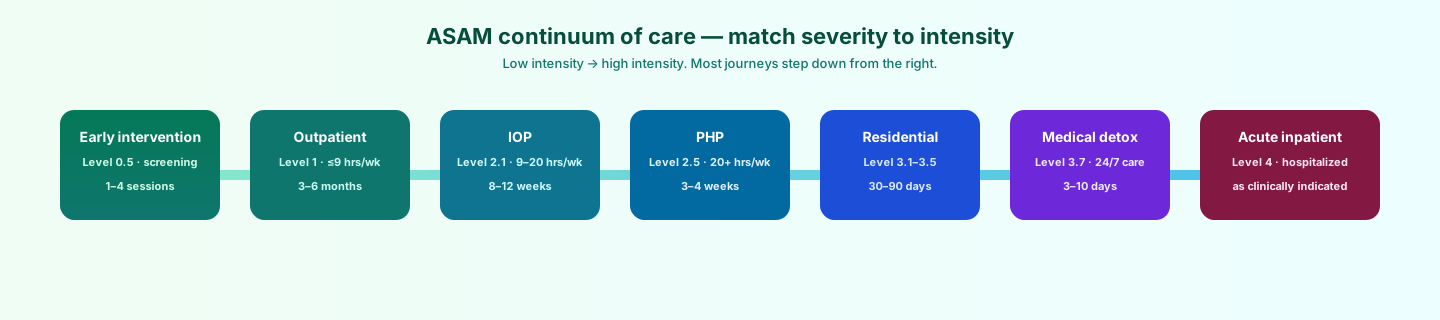
The COVID-19 pandemic accelerated the adoption of virtual Intensive Outpatient Programs (IOP), and the data shows they are here to stay. Both formats provide 9-15 hours of structured treatment per week including group therapy, individual counseling, and psychoeducation. The question is which delivery method best fits your situation.

Effectiveness Comparison

Research published in the Journal of Substance Abuse Treatment during 2021-2022 found comparable outcomes between virtual and in-person IOP for substance use disorders. Completion rates were similar (~65%), and patient satisfaction was high for both formats. Virtual IOP showed particular advantages for patients who would otherwise not access treatment due to geographic, transportation, or scheduling barriers.

Choosing the Right Format

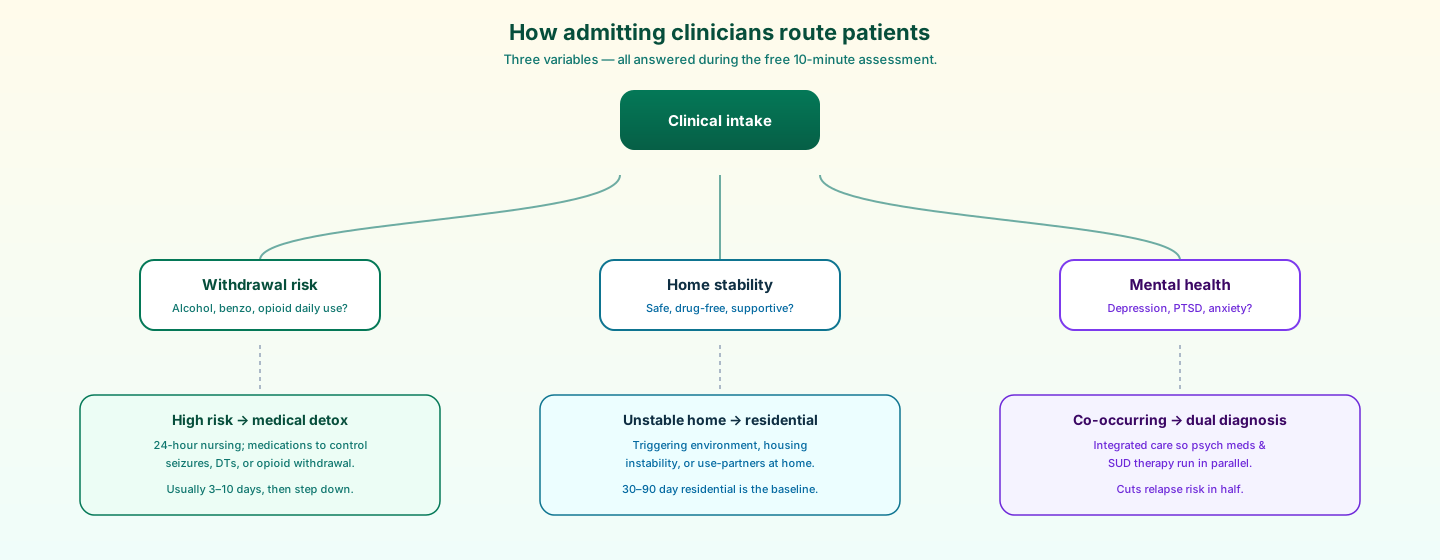
If you live in a high-risk home environment with substance-using household members, in-person IOP provides physical separation from triggers. If you have work, childcare, or transportation barriers, virtual IOP removes those obstacles. Many programs now offer hybrid models combining both formats. To find the right IOP for your needs, call (833) 567-5838.

Not Sure Which Is Right for You?

Our treatment specialists can assess your situation and recommend the right level of care. Free, confidential, 24/7.

(833) 567-5838

Frequently Asked Questions

Is virtual IOP as effective as in-person?
Current research suggests comparable effectiveness for most patients. Studies conducted during and after the pandemic found similar completion rates, treatment engagement, and substance use outcomes between formats. However, patients with severe social isolation may benefit more from in-person connection, while those with logistical barriers achieve better outcomes in virtual programs.
Does insurance cover virtual IOP?
Yes, most insurance plans now cover virtual IOP at the same rate as in-person programs, thanks to telehealth parity laws expanded during COVID-19. Many states have made these telehealth coverage requirements permanent. Check with your specific insurer as some plans may have limitations on the total number of telehealth sessions covered.
How do drug tests work in virtual IOP?
Virtual IOP programs use several approaches for accountability: at-home oral fluid testing with video observation, random in-person testing visits to a local lab, or saliva test kits mailed to the patient. Some programs require weekly in-person visits specifically for drug testing while conducting therapy sessions virtually. The testing protocol varies by program.
Can I switch from virtual to in-person or vice versa?
Many programs offer flexibility to switch formats based on changing needs. Starting with virtual IOP and transitioning to in-person (or the reverse) is common. Some hybrid programs allow patients to attend some sessions virtually and others in-person each week. Discuss format flexibility with the program before enrollment.
What technology do I need for virtual IOP?
You need a device with a camera and microphone (computer, tablet, or smartphone), a reliable internet connection, and a private space where you will not be overheard. Most programs use HIPAA-compliant platforms like Zoom for Healthcare or dedicated telehealth software. Some programs loan tablets to patients who lack devices. A stable internet connection is the most critical requirement.

Last updated: April 7, 2026 • Sources: SAMHSA, NIDA, ASAM • RehabFlow Editorial Team

Home Find Centers Treatment Insurance Resources Compare Blog About